
Corporate Event Planning Checklist: Toronto Edition Corporate Event Planning Checklist: Toronto Edition
A phase-by-phase checklist that covers every detail from 6 months before your event to the final load-out, built specifically for the Toronto corporate market.
6 Months Before: Foundation & Strategy
Category: Foundation
Clarify the purpose of your event — is it client appreciation, employee recognition, product launch, fundraising, or team building? Define 2-3 measurable success metrics: attendance targets, guest satisfaction scores, leads generated, or funds raised. Every downstream decision flows from this foundation, so invest the time to get alignment from key stakeholders.
Create a detailed budget with line items for venue, catering, entertainment, production (AV, lighting, staging), decor, invitations, photography/videography, transportation, staffing, and a 10-15% contingency fund. Get formal approval from finance and leadership before committing to any vendors. Toronto corporate events typically range from $100-$500+ per guest depending on formality and production level.
Toronto venues book 6-12 months ahead for prime dates, so start your venue search immediately. Consider capacity (seated vs. standing), layout flexibility, in-house catering requirements, AV capabilities, parking, transit access, and load-in logistics. Request site visits at 3-4 venues before committing. Popular corporate event venues include the Fairmont Royal York, Liberty Grand, the Carlu, Steam Whistle, Arcadian Court, and the Globe and Mail Centre.
Premium live bands, celebrity hosts, and sought-after specialty acts book 4-6 months in advance during peak season. Once your event date is confirmed, securing entertainment should be your next call. Share your event objectives, audience demographics, and venue details with your entertainment provider so they can recommend the right fit. Get the contract signed with a deposit to hold the date.
Identify who owns each workstream: logistics and vendor coordination, creative direction and branding, guest list management and communications, program content and speakers, and day-of execution. For events over 200 guests, strongly consider hiring a professional event planner. Establish a regular meeting cadence — weekly for the first three months, then twice weekly as the event approaches.
Before confirming your date, check for conflicts that could impact attendance: major industry conferences, competing corporate events, sports playoffs (Raptors, Leafs, Blue Jays), long weekends, religious holidays, and Toronto cultural events. A Wednesday or Thursday evening often provides better venue availability and lower rates than Friday or Saturday, with minimal impact on attendance for corporate events.
3-4 Months Before: Core Planning
Category: Core Planning
Compile your complete guest list with accurate contact information, dietary requirements, and accessibility needs. For corporate events, coordinate across departments to ensure all stakeholders, clients, and VIPs are included. Send digital save-the-dates immediately — for premium events, follow up with printed invitations 6-8 weeks before the event date. Include RSVP deadline, dress code, and venue/parking details.
Map every minute of the event: guest arrival and registration, cocktail reception, dinner service timing, speeches and presentations, entertainment sets, intermissions, and event close. Build in 10-15 minute buffers between major segments to absorb delays. Your timeline should account for venue setup and teardown windows, vendor load-in sequences, and sound check schedules. Distribute the draft timeline to all vendors for feedback.
Work with your venue caterer or external catering company on menu design. Consider your audience, formality level, and any cultural or dietary requirements. Plated dinners are standard for formal corporate events; buffets and food stations suit more casual affairs. Schedule a tasting 2-3 months before the event. Confirm bar service details: open bar, limited bar, drink tickets, or cash bar. Toronto's diverse culinary scene means your caterer should be able to accommodate kosher, halal, vegan, and allergy requirements.
Coordinate with your venue and entertainment provider on production needs: stage dimensions and construction, PA system (if not included with entertainment), intelligent lighting design, projection/screens for presentations, live streaming capabilities, and power distribution. Get a complete production quote and ensure it covers setup, operation during the event, and teardown. For events with both presentations and entertainment, confirm that one AV team manages the entire technical flow.
Professional event photography and videography document the evening and provide marketing material for future events. Brief your photo/video team on must-capture moments: VIP arrivals, keynote highlights, entertainment peaks, candid networking, and group photos. For corporate events in Toronto, expect to invest $2,000-$5,000 for a photographer and $3,000-$8,000 for a videographer with a produced recap reel.
Develop consistent event branding across all touchpoints: invitations, signage, stage backdrop, presentation templates, name badges, table cards, and digital assets (event website, social media graphics, email headers). Coordinate branding with your entertainment and production team so lighting colours, projection content, and stage design reinforce the visual identity. Consistency signals professionalism and creates a cohesive guest experience.
6-8 Weeks Before: Detail Execution
Category: Detail Planning
Send official invitations with full event details: date, time, venue address with parking and transit instructions, dress code, RSVP deadline, and any special instructions. Track RSVPs actively and follow up with non-responders 2 weeks before the deadline. For high-priority corporate events, have relationship managers personally follow up with VIP clients and senior executives who haven't responded.
Review every vendor contract and confirm deliverables, timelines, and outstanding payments. Create a master vendor contact sheet with names, phone numbers, email addresses, and role descriptions. Confirm load-in times, setup durations, specific room assignments, and power/technical requirements for each vendor. This is the moment to catch any gaps or conflicts before they become day-of emergencies.
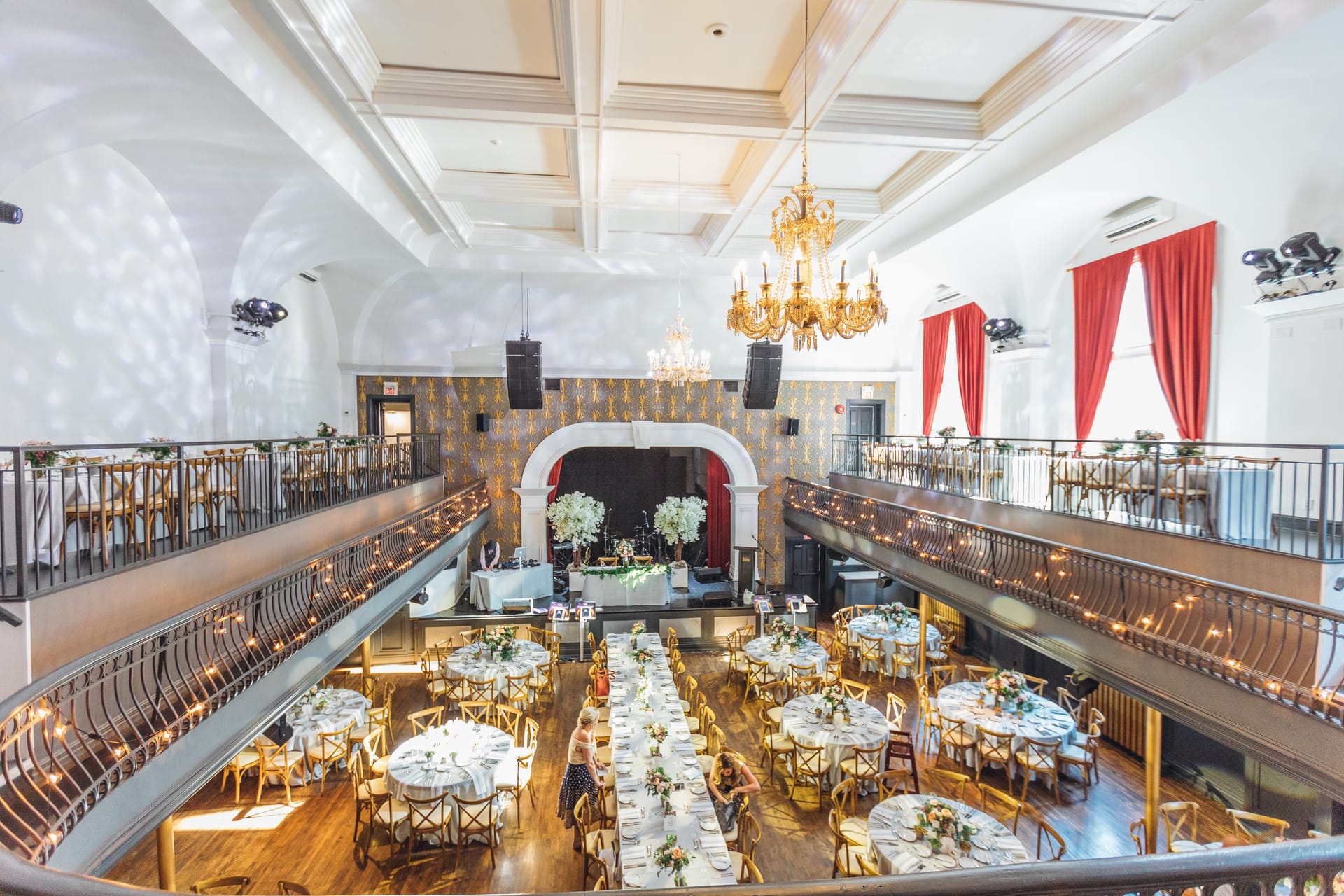
Design your floor plan to optimize guest flow, sightlines to the stage, networking space, and service access for catering. Place VIP and executive tables with clear views of the stage. Position the bar to distribute foot traffic. Ensure the dance floor is adjacent to — not separated from — the dining area so the transition to dancing feels natural. Create a detailed seating chart for formal events, balancing client relationships, departmental mixing, and dietary requirement clustering.
Review the final entertainment plan: set times, song requests, special moment cues, volume expectations, MC announcements, and any custom content (branded game show questions, personalized song dedications, AI photo booth themes). Share the complete event timeline with your entertainment provider and confirm that all custom elements are in production. This is also the time to confirm that the entertainment team has reviewed the venue's technical specifications.
For events at venues with limited parking, arrange shuttle service from nearby parking garages, transit hubs, or hotel blocks. For VIP guests, book car services. Confirm valet parking availability and pricing with the venue. Create clear directional signage from parking areas and building entrances to the event space. For venues in downtown Toronto, provide TTC and GO Transit directions alongside driving instructions.
2 Weeks Before: Final Preparations
Category: Final Preparations
Lock in your final headcount and communicate it to the venue, caterer, rental company, and transportation provider. This number drives final food orders, table counts, chair rentals, and staffing levels. Build in a 5-8% buffer above confirmed RSVPs for last-minute additions and walk-ins. Prepare a final guest list document with names, table assignments, dietary requirements, and any special notes.
Walk the venue with your event planner, entertainment provider, AV team, caterer, and decorator. Confirm load-in routes, stage placement, power outlet locations, sound check schedule, backstage/green room access, coat check setup, and emergency exits. Walk through the guest experience from arrival to departure, identifying any friction points. This single meeting prevents more day-of problems than any other planning activity.
Produce a comprehensive minute-by-minute run-of-show that includes: time stamps for every program element, assigned responsibility for each cue, technical notes (lighting changes, music cues, video playback), speaker names with introduction scripts, entertainment set times and transitions, and contingency notes. Distribute copies to every vendor and team member. The run-of-show is the single most important document for day-of execution.
Finalize all speech scripts, presentation decks, and award announcements. Rehearse with speakers on timing and delivery. Prepare teleprompter content if using one. Confirm award hardware — trophies, plaques, or custom gifts — is ordered, engraved, and in hand. Create a backup plan for speakers who cancel last minute. Load all presentation files onto a dedicated USB drive and the event laptop.
Hold a planning meeting with all internal staff and volunteers assigned to event-day roles. Distribute role-specific briefing sheets, the run-of-show document, a vendor contact list, and a venue map with key locations marked. Assign a clear chain of command for decision-making. Walk through emergency procedures including evacuation routes, first aid locations, and security protocols.
Day of Event: Execution
Category: Day-of Execution
Arrive at the venue 4-5 hours before doors open (or delegate your event planner to do so). Manage the load-in sequence: entertainment and staging first, then AV and lighting, followed by catering setup and decor. Confirm each vendor has their assigned space, power access, and the correct load-in route. Check that all rental deliveries match the order — table counts, chair counts, linen colours, and bar setup. Resolve conflicts immediately.
Run through the complete technical sequence: test every wireless microphone at the podium and on stage, verify presentation playback on all screens, check video/audio feeds for pre-produced content, confirm entertainment sound levels and monitor placement, test lighting cues for each program phase, and verify live streaming connections if applicable. This should happen a minimum of 90 minutes before guest arrival.
Prepare the registration desk with name badges, guest lists, table assignments, event programs, and any welcome materials. Set up coat check with adequate staffing. Position directional signage from the building entrance to the event space. Ensure the cocktail area is ready with bar service, any interactive entertainment stations (AI photo booth, game show registration), and background music. Do a final walkthrough of the entire guest journey from arrival to coat check to cocktails.
Follow the run-of-show document closely but remain flexible. Assign a stage manager to cue speakers, manage transitions, and coordinate with the entertainment team. Monitor guest energy levels and adjust the pace — if dinner runs long, compress a speech; if the crowd is engaged, extend the dance set. Communicate changes to all vendors via your group chat immediately. The event lead should be mobile with a clear radio or phone line to every key vendor.
Signal last call 30 minutes before the event's official end time. Coordinate the closing moment — final song, thank-you remarks, or a dramatic sendoff. Ensure transportation (shuttles, valet, rideshare staging) is ready before the event ends. Supervise vendor teardown and confirm that the venue is returned to its original condition per the contract. Collect any lost-and-found items and designate a contact for guest inquiries the following day.
Expert Pro Tips
Frequently Asked Questions
How far in advance should I start planning a corporate event in Toronto?
What is the average cost of a corporate event in Toronto?
Do we need an event planner, or can we handle it internally?
What are the most common corporate event planning mistakes?
How do we handle Toronto-specific logistics like winter weather and transit?
What should we look for when choosing a corporate event venue in Toronto?
Let our team help you plan a corporate event in Toronto that runs flawlessly from cocktails to the last dance.
Get a Free Event Consultation
Get StartedExplore our full roster of corporate entertainment — live bands, interactive experiences, game shows, and production services.
Browse Entertainment Options
Contact Us