

How to Host a Murder Mystery Game or Party That People Actually Remember
The complete playbook for setup, character roles, plot twists, and corporate adaptations, whether you have eight guests at home or a ballroom of two hundred.
How to Host a Murder Mystery Party: Setup, Roles & Timeline
Pick Your Format: Scripted Box Kit vs. Freeform vs. Hosted
Boxed kits give every guest a printed character booklet and a scene-by-scene script, which is the safest choice for first-time hosts and groups of 6 to 12. Freeform games hand out a role and motive but let guests improvise their own conversations, which suits larger, more confident crowds. A professionally hosted version puts an actor or emcee in charge of pacing and reveals, which is how most corporate events run it.
Right-Size the Guest List
The sweet spot for a home party is 8 to 14 named suspects, enough for cross-accusations without anyone getting lost. Below 6 the web of motives feels thin; above 14 you either double up characters or add non-speaking guest roles. For events larger than 20, switch to a table-based team format where each table investigates as a unit rather than assigning one character per person.
Assign the Non-Negotiable Roles
Every game needs a victim (often revealed in the opening scene), a murderer (who does not know they are guilty in some kits, or does and must bluff), and a spread of suspects who each have a secret and a motive. A host or narrator controls the flow and drops evidence at set beats. Assign the murderer to a confident guest who enjoys lying, and give the biggest secrets to people who like attention.
Build a Three-Act Timeline
Act one (30 to 40 minutes) introduces characters and the crime over drinks or a first course. Act two (45 to 60 minutes) is open investigation where guests trade information, examine clues, and form theories. Act three (20 to 30 minutes) collects written accusations, then the host walks through the reveal and motive. Anchoring each act to a course of the meal keeps the pacing tight without a visible clock.
Prep the Clue Packets and Props
Each character gets a private packet: their background, their secret, what they know, and one or two things they must conceal. Physical clues (a torn note, a fake will, a bloody prop, a doctored photo) reward players who investigate rather than just chat. Stage clues so they are discovered progressively rather than dumped all at once.
Choose and Coach Your Host
The host sets tone, enforces pacing, and rescues the game when conversation dies. They deliver the opening hook, announce act breaks, feed hints to lost players, and run the final reveal with enough drama to land the twist. A good host stays in character but breaks the fourth wall when needed to keep things moving. Our roots are in live bands, where we would swap the setlist mid-show because we could feel the next song would not land, and a great whodunit host works the same way, improvising off the room instead of the script.
Dress the Set and Set the Rules
Costuming and light set dressing (a themed table, period music, dim lighting) get guests into character faster than any script. State the rules up front: you cannot lie about hard evidence, only about your feelings and whereabouts, and the murderer is the only one allowed to lie about guilt. Clear boundaries stop the game from collapsing into chaos.
Brief Guests Before the First Body Drops
Send each guest their character, motive, and any secrets 3 to 5 days ahead so they arrive ready to play. Include a short how-to-play primer for newcomers explaining that the goal is to investigate in character and deduce the killer. A five-minute verbal briefing at the door reinforces the rules and hands out packets before the opening scene.
Murder Mystery Theme & Scenario Ideas
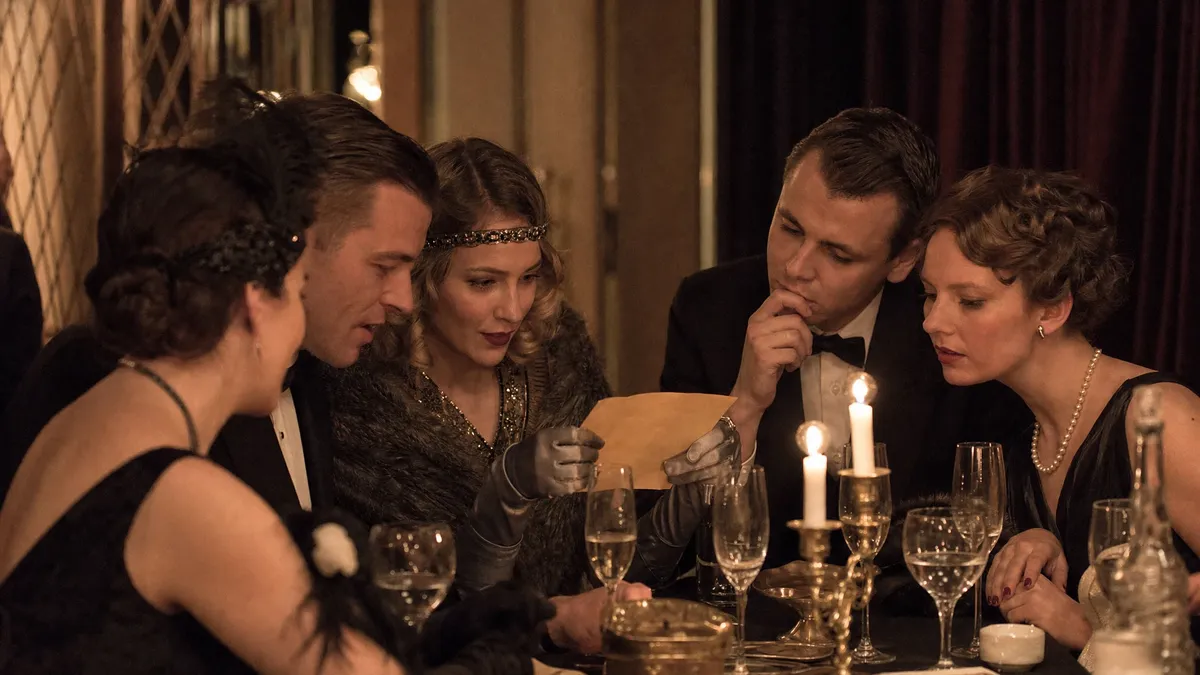
1920s Speakeasy
A Prohibition-era gin joint where a gangster, a jazz singer, a crooked cop, and a bootlegger all have reason to want the club owner dead. The theme is a costuming gift (flapper dresses, suspenders, fedoras) and the built-in tension between law and crime hands every character an obvious motive. Period cocktails and a jazz playlist do half the set-dressing work for you.
Murder on a Luxury Train
A nod to the Orient Express, set in the dining car of a stranded overnight train where the passengers are the only possible suspects. The confined setting is perfect for a single-room party because no one can leave, which raises the stakes and keeps everyone in play. Ideal for 8 to 12 guests seated around one long table.
Hollywood Awards Night Gone Wrong
A glamorous film premiere or awards gala where a hated producer, a fading star, an ambitious understudy, and a ruthless critic collide. It gives guests permission to be theatrical and over the top, and the red-carpet dress code is an easy sell. The industry rivalries make motives self-explanatory.
Haunted Manor Reading of the Will
A wealthy patriarch is found dead the night his heirs gather for the reading of his will, and everyone in the family stands to gain. The greedy-relatives setup is a classic for a reason: inheritance is a clean, universal motive that anyone can play. Perfect for Halloween or a candlelit dinner.
Casino Heist Frame-Up
A high-stakes casino where a robbery and a murder happen the same night, and the killer is using the chaos as cover. This theme layers two mysteries, giving investigators a puzzle within a puzzle, and works brilliantly with a live card table or roulette wheel as set dressing. Great energy for a party that wants games running alongside the story.
Masquerade Ball
An elegant masked ball where identities are literally hidden and anyone could be anyone, which is a natural fit for a mystery about mistaken identity or a secret past. Masks lower guests' inhibitions and make even shy players bolder. The dress code doubles as a plot device when the killer removes their mask in the reveal.
Tech Startup Launch Party
A buzzy startup celebrating a funding round when the founder is found dead, surrounded by co-founders, investors, and a disgruntled engineer. This modern setting resonates with corporate crowds and lets you weave in real business tensions like equity disputes and stolen IP. No period costumes required, which lowers the barrier for reluctant participants.
Wild West Saloon Standoff
A dusty frontier town where the sheriff, the saloon owner, a wanted outlaw, and a traveling gambler all have scores to settle. The Western setting invites big characters and comic accents, and the lawless backdrop makes violence plausible for every suspect. Hay bales, bandanas, and a whiskey bar sell the scene.
Cruise Ship at Sea
A luxury cruise where a passenger vanishes overboard and the captain, crew, and wealthy travelers are all trapped aboard until the next port. Like the train, the isolation is the engine of the plot, and the mix of staff and guests creates natural class tension. Nautical decor and a captain's-table dinner make setup simple.
Character Archetype Ideas for Your Cast
The Grieving Heir
A relative of the victim who publicly mourns while privately standing to gain the most from the death. Their performed grief is a mask investigators love to test, and the inheritance motive is instantly legible. Assign this to a guest who can flip between tears and calculation on cue.
The Jilted Lover
Someone romantically entangled with the victim who was scorned, betrayed, or replaced. Passion is a clean motive and this character injects emotional drama that fuels other guests' theories. They usually know an intimate secret that becomes a key clue.
The Business Rival
A partner or competitor who was losing to the victim in money, status, or a deal. Their motive is cold and strategic rather than emotional, which makes them a compelling contrast to the crime-of-passion suspects. Ideal for corporate-themed games where equity and contracts drive the plot.
The Loyal Servant Who Knows Too Much
A butler, assistant, or bartender who has quietly witnessed everyone's secrets. This character is an investigator's dream informant and a killer's biggest threat, which makes them either a red herring or the next target. They can dispense clues in exchange for players earning their trust.
The Outsider With a Hidden Past
A newcomer, stranger, or guest no one quite knows, harboring a connection to the victim that only surfaces mid-game. Their ambiguity keeps suspicion floating, and the late reveal of their history is a natural act-two twist. Great for a masquerade or cruise setting where identities are already fluid.
The Nosy Journalist
A reporter or gossip columnist digging for a story, which gives them a plausible reason to interrogate everyone in the room. This role is perfect for a naturally curious guest and helps drive the investigation forward when the group stalls. They may be blackmailing a suspect with what they have uncovered.
The Respected Authority Figure
A doctor, judge, detective, or executive whose status places them above suspicion, which is exactly why they make a delicious culprit. Their credibility lets them steer accusations toward others while quietly concealing their own motive. The reveal lands hardest when it topples the person everyone trusted.
The Comic Relief With a Dark Secret
A flamboyant, funny character who keeps the mood light while hiding a genuinely serious motive under the jokes. They lower the tension so newcomers relax, then shock the room when their secret surfaces. This is the role that makes shy or first-time players comfortable.
Plot Twist Ideas to Keep Guests Guessing
The Victim Faked Their Own Death
The person everyone is investigating for is actually alive, having staged the murder to escape debts, expose an enemy, or reappear dramatically in the finale. It upends the entire premise and rewards players who noticed inconsistencies in the body evidence. Deploy it as a final-act reveal for maximum shock.
Two Killers Working Together
The crime was a conspiracy, so guests who fixate on a single culprit miss the accomplice hiding in plain sight. This twist rewards players who spot two people alibiing each other a little too conveniently. It works best in larger games where more suspects give the pair cover.
The Investigator Is the Murderer
The detective, host figure, or most helpful guest turns out to be the one steering everyone away from the truth. It is a gut-punch reveal because players trusted them to solve the crime. Use sparingly and only when your host or a savvy guest can pull off the double game.
The Wrong Person Was the Target
The victim was killed by mistake, and the real intended target is still in the room, which reframes every motive and opens a second question: who was supposed to die. This adds a layer of jeopardy and can even set up a second body in act three. Great for keeping energy high in a long game.
A Secret Blackmail Ring
Several characters were being blackmailed by the victim, giving half the room a motive and making the investigation a tangle of overlapping secrets. It transforms a single-suspect hunt into a web where everyone looks guilty. The killer is simply the one who acted on their motive.
The Hidden Twin or Long-Lost Relative
A character has a secret sibling or child who is either present in disguise or the true culprit acting through a proxy. The reveal recontextualizes an alibi that seemed airtight because two people were mistaken for one. Best paired with a masquerade or identity-driven theme.
The Murder Weapon Points the Wrong Way
The obvious weapon was planted to frame an innocent suspect, while the real method (poison, a staged accident) is far subtler. It punishes lazy deduction and rewards players who question the convenient evidence. A good coroner or doctor character can seed the correction.
Everyone Is Partially Guilty
Murder on the Orient Express style, the finale reveals that multiple guests each played a role in the death, so there is no single villain. It is an ambitious, memorable ending that works when your group is invested and mature enough to appreciate moral ambiguity. Reserve it for experienced players who want more than a simple whodunit.
Corporate Event Adaptations
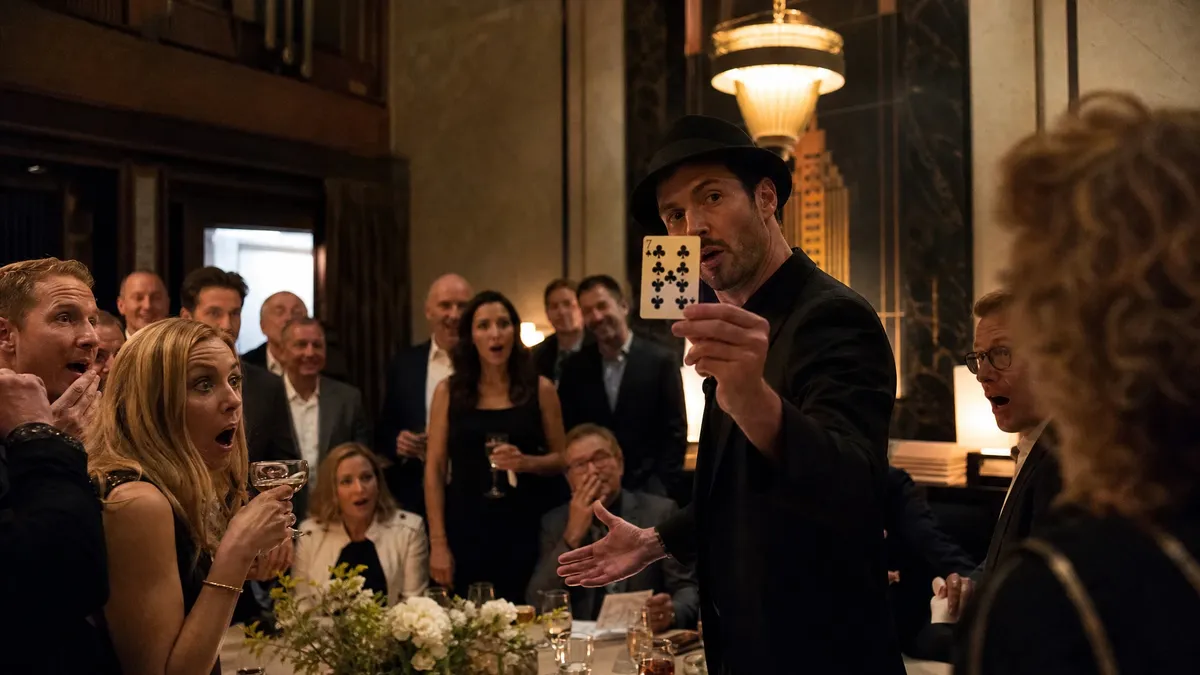
Table-Team Format for Large Groups
Instead of one character per person, seat guests at tables of 8 to 10 and have each table investigate as a single detective unit, competing to solve the case first. This scales the format from a dinner party to a conference ballroom of 200 or more without anyone being sidelined. A live leaderboard tracks which table cracks each clue. Fusion Events runs exactly this table-team model as part of its interactive corporate entertainment.
Custom Storyline Around Your Company
Swap the generic manor or train for a fictionalized version of your own industry, with inside jokes, department rivalries, and a plot that nods to real company lore. Personalization dramatically raises engagement because guests recognize the world they are playing in. Keep it affectionate and never target real individuals.
Mystery as an Icebreaker for New Teams
For onboarding, mergers, or cross-department mixers, a murder mystery forces people who have never met to talk, negotiate, and share information within minutes. The character roles give shy participants a script to hide behind, lowering the social barrier of a normal networking event. It is a far better first impression than a name-tag mingle.
Clue Hunt Across a Conference Venue
Turn the whole venue into the crime scene by hiding clues in breakout rooms, the lobby, and sponsor booths, so teams explore the space while investigating. This gets a sedentary conference crowd moving and drives foot traffic to areas you want visited. It pairs naturally with a scavenger-hunt scoring layer.
Awards Dinner With a Mystery Woven In
Embed the mystery inside a gala or awards night so the investigation unfolds between courses and the reveal shares the stage with your program. It transforms the dead air between speeches into active entertainment and gives guests a reason to stay engaged all evening. The format flexes around your run-of-show rather than replacing it. Dropping entertainment in the unexpected gaps, like between agenda blocks, is how we reset a room's energy, and it is why the same annual dinner with the same DJ every year quietly stops moving people.
Hybrid and Virtual Murder Mystery
Run the game over video for remote teams, using breakout rooms as private interrogation spaces and a shared board for clues. A professional host keeps distributed players in sync and prevents the awkward silences that kill virtual events. It is one of the few remote formats that genuinely creates connection rather than screen fatigue.
Competitive Detective League
Frame the event as a competition where teams earn points for correct deductions, clever accusations, and clues found, culminating in a winning table crowned top detectives. The scoring layer appeals to competitive corporate crowds and gives a clear payoff beyond just solving the case. Prizes and a trophy raise the stakes.
Pair It With Other Interactive Formats
A murder mystery slots neatly alongside a live game show, casino night, or photo activation to build a full evening of interactive entertainment rather than a single act. Layering formats keeps energy varied and gives guests with different tastes something to latch onto. Many companies run the mystery as the dinner centrepiece and a game show or band afterward.
Venue & Staging Tips
Match the Space to Your Group Size
Home dinner parties need one room where everyone can mingle and overhear; larger events need a space with a central area plus nooks where private conversations can happen. Too cavernous a room drains energy and makes eavesdropping impossible, while too tight a space stops guests from breaking into investigative pairs. Aim for a layout that encourages movement without scattering people.
Use Lighting to Set the Mood
Dim, warm lighting with candles or lamps instantly signals mystery and lowers inhibitions far better than bright overheads. Strategic pools of light draw guests toward clue stations and the reveal area. Save a lighting change, brightening or a dramatic dim, to punctuate the final reveal.
Create a Focal Point for Reveals
Designate a clear stage, head table, or lit corner where the host delivers the opening hook and the closing solution, so every guest knows where to look at key moments. A defined focal point stops the finale from dissolving into a murmured huddle. A small riser or a single spotlight is enough.
Stage Your Clues Progressively
Rather than putting every clue out at once, reveal them in waves tied to your act structure, releasing physical evidence as the investigation deepens. Progressive staging maintains momentum and gives you levers to speed up or slow down the room. Keep a few clues in reserve to nudge a stalled group.
Handle Sound So Everyone Can Hear
In a larger room, a host without a microphone will lose the back half of the crowd during announcements and the reveal. A simple wireless mic and a small speaker keep the narration crisp over dinner chatter. For music, keep the volume low enough that in-character conversations stay audible.
Plan Table Layout for Interaction
Round tables and mingling space beat long banquet rows, which trap guests next to the same two people all night. If seated dining is required, plan a structured break between courses where everyone gets up to investigate. The goal is to maximize how many suspects each guest can actually talk to. And watch where you put the bar: the bar is a gravity well, so put it next to the action or watch it pull your party apart.
Prep a Props and Costume Station
A table of hats, masks, magnifying glasses, and character accessories on arrival lets guests gear up and commit to their roles before the game starts. Even a few shared props raise the theatrical energy of the whole room. It also gives arriving guests something to do during the awkward pre-start window.
Have a Backup Plan for Pacing
Rooms move at different speeds, so prepare an extra clue to accelerate a stuck group and a stalling tactic to slow a group racing ahead. A host who can improvise a new witness statement or announce a fresh development keeps everyone finishing together. Never let the fastest table sit bored while others catch up.
Expert Pro Tips
Frequently Asked Questions
How do you host a murder mystery party?
How long does a murder mystery game take?
How many people do you need for a murder mystery party?
Do you need a host for a murder mystery game?
What is the difference between a murder mystery game and a murder mystery party?
Can a murder mystery work as a corporate team-building event?
What do you need to prepare for a murder mystery party?
Skip the DIY logistics and let our hosts run a custom whodunit that scales from a boardroom to a ballroom of 200.
Let Us Host Your Murder Mystery
Get StartedTell us your group size, theme, and goals, and we will design a whodunit built around your company and your run-of-show.
Plan a Custom Murder Mystery Event
Contact Us