

You already know what your next corporate event looks like. Registration table with lanyards. Keynote speaker on a dark stage. Panel discussion where four people agree with each other for 45 minutes. Boxed lunch. Breakout sessions nobody breaks out of. Networking hour where everyone checks their phone. Closing remarks that close nothing.
You know this because you've been to this event. Dozens of times. Under dozens of different brand names.
The event industry has a creativity problem. Not a budget problem, not a talent problem, not a technology problem. A creativity problem. And the worst part is that most of the industry doesn't see it — because they're too busy calling the same recycled format "innovative."
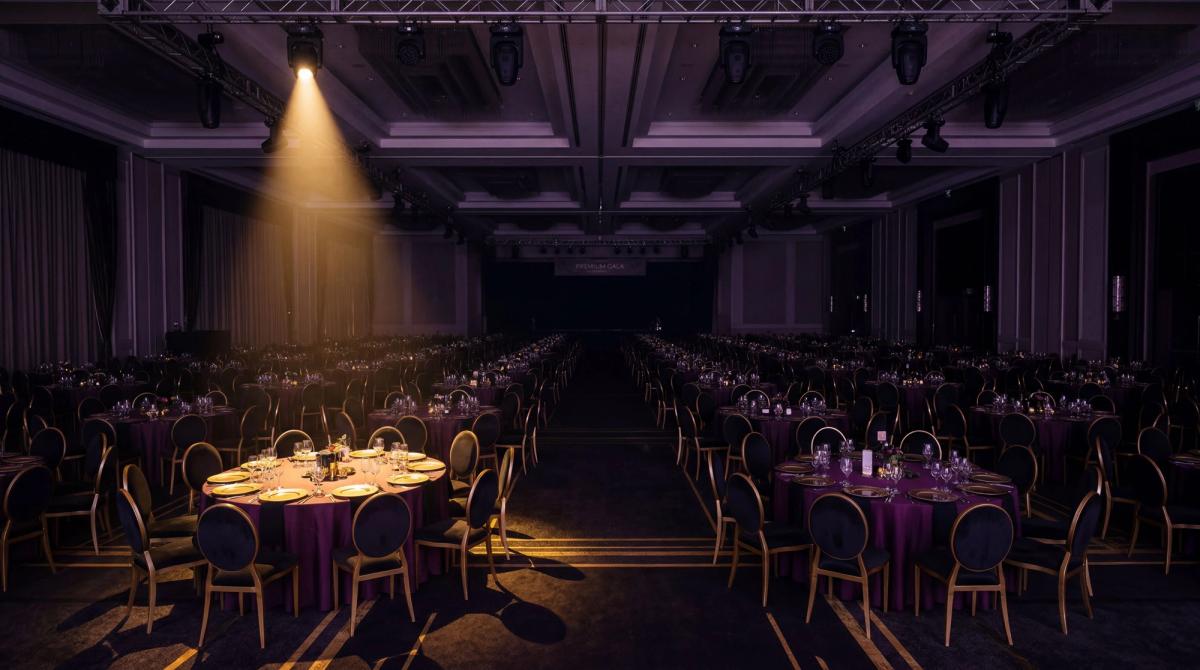
Why Does Every Corporate Event Follow the Same Formula?
Here's the formula. You've seen it printed on a thousand agendas:
- 8:00 AM — Registration & Coffee
- 9:00 AM — Welcome & Keynote
- 10:00 AM — Panel Discussion
- 11:00 AM — Breakout Sessions
- 12:00 PM — Lunch
- 1:00 PM — Afternoon Keynote
- 2:00 PM — Another Panel
- 3:30 PM — Networking Reception
- 5:00 PM — End
This isn't an agenda. It's a liturgy. And the congregation follows it faithfully, year after year, because questioning it would require someone to stick their neck out.
The copy-paste event formula persists because it's defensible. Nobody gets fired for running a predictable conference. The agenda template gets recycled, the vendor list stays the same, and "what worked last year" becomes the ceiling instead of the floor.
According to 78% of organizers say in-person events are their most impactful marketing channel. And yet the format of those events has barely evolved in 20 years. We've upgraded the projectors. We haven't upgraded the thinking.
Why "We've Always Done It This Way" Is the Most Expensive Phrase in Events
Every time a planner says "we've always done it this way," they're not saving money. They're spending it — on declining attendance, diminishing engagement, and the slow erosion of their event's relevance.
The real cost isn't in the line items. It's in the opportunities you never explore. The attendee who doesn't come back next year. The sponsor who quietly decides the ROI isn't there anymore. The executive who asks, "Do we really need this event?"
"We've always done it this way" is a risk management strategy disguised as tradition. It protects the planner, not the event.
How Does the RFP Process Kill Event Creativity?
Let's talk about the mechanism that murders creativity before it even draws its first breath: the Request for Proposal.
Here's how it works. A company sends the same RFP to eight vendors. The RFP specifies exactly what they want — a DJ, a photo booth, a keynote speaker, and cocktail hour entertainment. The vendors compete on price for the same deliverables. The cheapest bid wins. Creativity never enters the conversation.
The RFP process commoditizes event production. It treats creative services like office supplies — interchangeable, priceable by the unit, selected by spreadsheet. When you tell vendors exactly what to deliver before they've even understood your audience, you're not buying creativity. You're buying execution of your own uncreative idea.
The best events I've ever produced started with a conversation, not a compliance document. "Here's our audience. Here's what we want them to feel. What would you do?" That question terrifies procurement departments. It also produces events people actually remember.
What Is the Difference Between "Creative" and "Different"?
Let me draw a line that the industry blurs constantly: creative is not the same as different.
Different is a DJ who plays from a platform suspended from the ceiling. Creative is designing a sound journey that shifts the energy of the room at exactly the right moments throughout the evening — whether the DJ is on the floor, the stage, or floating from the rafters.
Different is gimmicks. Creative is intention.
I've seen planners chase novelty for its own sake — LED robots, drone shows, VR headsets handed out like party favors. Some of those can be spectacular. But spectacle without strategy is just expensive noise. The is one of the defining trends of 2026, and it's long overdue.
True event industry creativity starts with a question: what should this moment do to the people in the room? Everything else is decoration.
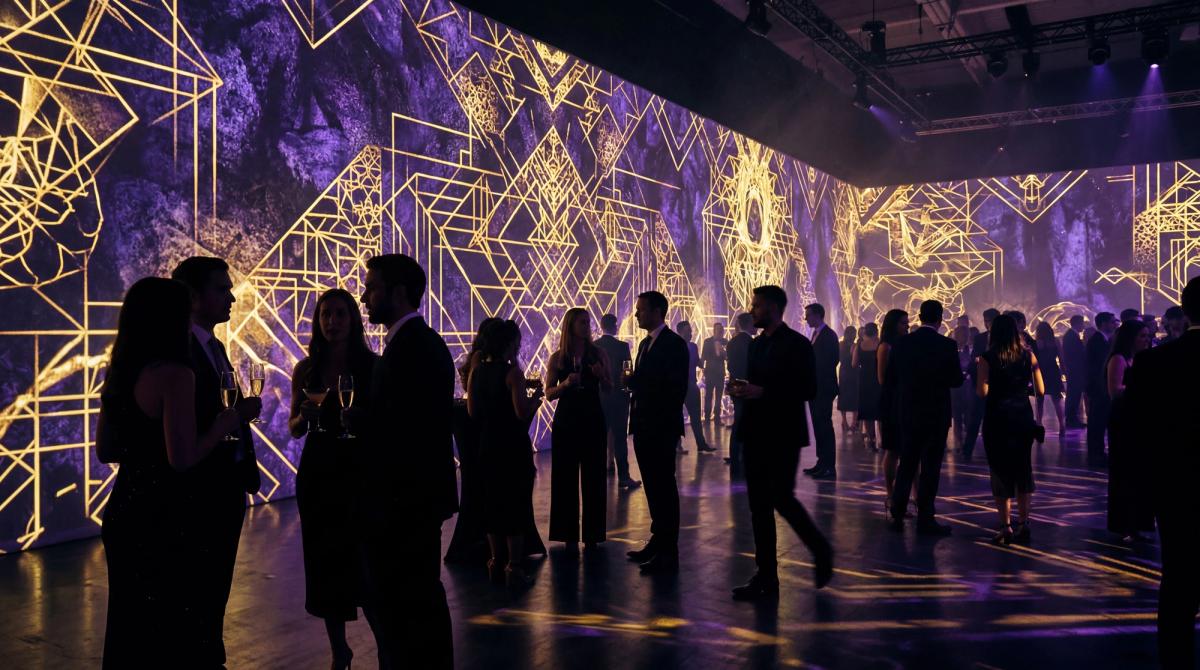
What Do Actually Creative Events Look Like?
Creative events don't look like one thing. That's the point. But they share principles:
They design for transitions, not just sessions.The walk from registration to the main stage is an experience, not a hallway. The moment between the keynote and lunch is choreographed, not accidental.
They treat the audience as participants, not spectators.This means that give attendees agency — voting on content, contributing to installations, shaping the narrative of the event in real time.
They use space as a storytelling tool.Room layout isn't a logistics decision. It's a creative one. The difference between rounds of 10 and long communal tables changes how people connect. The difference between a dark room and a bright one changes how they feel.
They surprise.Not with gimmicks, but with moments that break the pattern. An unannounced performer. A room reveal. A sensory shift that catches the audience off guard and makes them pay attention again.
The gets this right — design for emotion first, logistics second.
How Can AI and Technology Unlock Event Creativity?
Here's where I'll push back on two camps simultaneously. The people who think AI will replace event creativity are wrong. The people who think AI has nothing to offer are also wrong.
AI is a leverage tool. It compresses the boring parts of event production — scheduling, logistics, email sequences, data analysis — so you have more time and mental bandwidth for the creative parts. According to AI is becoming an indispensable co-pilot for event professionals, handling tasks in minutes that used to take days.
But AI can also be a creative tool directly.is a perfect example — AI-powered photo experiences that transform event photography from a passive activity into an interactive, shareable moment. Instead of a static photo booth with prop mustaches, you're giving attendees AI-generated images that are genuinely surprising and inherently social.
Technology doesn't replace creativity. It removes the excuses for not being creative. When AI handles your seating chart and your run-of-show timing, you no longer get to say you didn't have time to think about the attendee experience.
Why Do Event Planners Default to Safe and Predictable?
Let's be honest about what's really going on. The creativity problem isn't about capability. It's about fear.
Job security.If you pitch a bold idea and it fails, you own that failure. If you run the same event as last year and it's mediocre, that's just how events are. Safe is invisible. Creative is exposed.
Committee decisions.Creative ideas get workshopped to death. By the time a bold concept passes through the marketing team, the executive sponsor, the procurement department, and the legal review, it's been sanded into the same smooth, featureless shape as every other event.
Risk aversion baked into budgets.When every dollar has to be justified in advance, there's no room for experimentation. And when the success metric is "nothing went wrong," the incentive structure actively punishes ambition.
Client expectations.Many clients say they want innovation. What they mean is they want last year's event with one new thing they can point to. One new thing that isn't too risky. That looks good in the recap deck. That doesn't require anyone to change their behavior.
This is how the industry stays stuck. Not through incompetence, but through a system that rewards sameness.
How Do You Pitch Creative Ideas to Stakeholders Who Want "What Worked Last Year"?
If you've ever had a creative concept killed by "let's just do what worked last year," here's the playbook I've used to get bold ideas approved:
Frame creativity as risk mitigation.Declining engagement is the risk. Attendee fatigue is the risk. Sponsor attrition is the risk. Position creative investment as the solution to measurable problems, not as artistic indulgence.
Show, don't describe.Mood boards, reference videos, walk-through simulations. Stakeholders kill ideas they can't visualize. Make the concept tangible before the meeting, not during it.
Propose a creative pilot."Let's try this for the opening 30 minutes." A contained experiment is easier to approve than a full event overhaul. When it works — and it will — you've earned the credibility to go bigger.
Tie everything to [corporate event entertainment](https://fusion-events.ca/services/entertainment/) ROI.Engagement metrics, social media impressions, attendee satisfaction scores, sponsor feedback. Creative events outperform formulaic ones on every metric that matters. Build the case with data, then deliver with vision.
Name the cost of doing nothing.If attendance dropped 12% last year and satisfaction scores are flat, "what worked last year" didn't actually work. Make the status quo defend itself for once.
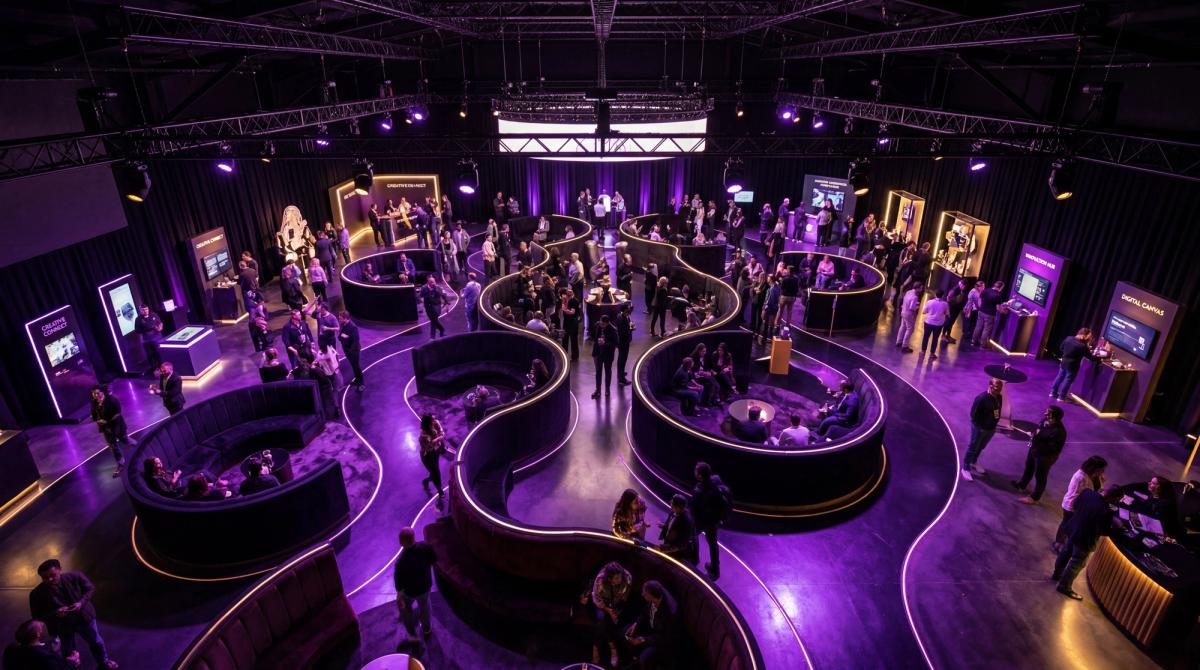
The Real Question the Industry Needs to Answer
The event industry is a trillion-dollar business built on bringing people together. That's a profound mandate. And too much of the industry treats it like a logistics exercise with a dinner add-on.
The creativity problem isn't going to be solved by trend reports or new technology or another panel about innovation at an industry conference (the irony of which is never lost on me). It's going to be solved by individual planners and producers who decide that "good enough" isn't good enough. Who treat every event as a design challenge, not a template to fill. Who are willing to be wrong in pursuit of being remarkable.
Sixty-six percent of event organizers say meaningful events are becoming their main priority,. That's encouraging. But saying it and doing it are separated by a canyon of committee approvals, safe vendor lists, and the gravitational pull of "we've always done it this way."
The events industry doesn't need more innovation keynotes. It needs more practitioners who actually innovate — quietly, stubbornly, one event at a time.
So here's the question: is your next event going to be the one people remember, or the one they politely endure?
Frequently Asked Questions
Why do corporate events all look the same?
Corporate events default to the same format because it's low-risk and easy to approve. The keynote-panel-lunch formula is familiar to stakeholders, simple to budget, and safe to execute. Committee-based decision making, procurement-driven vendor selection, and risk-averse organizational cultures all push events toward sameness. The format persists not because it's effective, but because it's defensible.
How can event planners be more creative?
Start by reframing the brief. Instead of asking "what do we need to deliver," ask "what do we want attendees to feel." Design for transitions and emotional arcs, not just sessions and time slots. Propose contained creative pilots rather than full overhauls. Use tools like AI to offload logistics work so you have bandwidth for creative thinking. And build your case with data — creative events consistently outperform formulaic ones on engagement and satisfaction metrics.
What is experiential event design?
Experiential event design is an approach that prioritizes attendee engagement, sensory immersion, and emotional impact over traditional format and logistics. It treats every touchpoint — from registration to departure — as an opportunity to create a meaningful interaction. Rather than having attendees passively watch content, experiential design invites them to participate, explore, and connect. It draws on principles from theater, architecture, and human-centered design.
How do you measure creativity in events?
You don't measure creativity directly — you measure its outcomes. Track attendee engagement rates, session participation, social media mentions and sentiment, post-event satisfaction scores, Net Promoter Scores, and year-over-year attendance trends. Compare sponsor renewal rates between formulaic and creative events. The metrics that matter are behavioral: did people stay longer, share more, and come back next time?
What role does AI play in event creativity?
AI serves two functions in creative event production. First, it automates logistics — scheduling, communications, data analysis, reporting — freeing planners to focus on design and experience. Second, it enables new creative formats, like AI-powered photo experiences through tools like BananaCam.ai or real-time content personalization. AI doesn't replace creative thinking. It removes the operational excuses that prevent it.
How do you convince stakeholders to try something new at events?
Lead with the problem, not the solution. Show declining engagement data, flat satisfaction scores, or attendance trends. Frame creative investment as risk mitigation — doing the same thing while results decline is the risky choice. Use mood boards and reference videos to make concepts tangible. Propose small-scale pilots before full commitments. And always tie creative proposals to measurable business outcomes.